

Long Protocol IVF

Long Protocol IVF

Long Protocol IVFlong protocol ivf

Dealing with infertility can be a challenging and emotional journey, but long protocol in-vitro fertilization (IVF) has been known to help couples conceive. Long protocol IVF is a type of assisted reproductive technology (ART) that involves stimulating the ovaries to produce multiple eggs, retrieving the eggs, fertilizing them with sperm in a lab, and transferring the resulting embryos back into the uterus. In this article, we’ll take a closer look at the long protocol IVF process and answer some common questions about this fertility treatment.

What is Long Protocol IVF?

Long protocol IVF, also known as the agonist protocol, is a type of IVF that involves a longer period of ovarian stimulation using a medication called a gonadotropin-releasing hormone (GnRH) agonist. This medication is given via injection to suppress the body’s natural hormone production, which can help the ovaries produce more eggs during the IVF cycle.

How Does Long Protocol IVF Work?

The long protocol IVF process typically begins with a series of hormone injections to suppress the antral follicles. Within the start of the next cycle, additional hormone injections are started to be used to stimulate the ovaries and promote the growth of multiple follicles, which contain the eggs. Once the follicles have reached a certain size, the patient is given medication  to trigger ovulation and prepare the eggs for retrieval. The eggs are then retrieved using a thin needle, which is guided through the vagina and into the ovaries under ultrasound guidance. The eggs are fertilized in the lab with sperm, and the resulting embryos are transferred back into the uterus several days later.

What are the Success Rates of Long Protocol IVF?

The success rates of long protocol IVF can vary depending on a variety of factors, including the age of the woman, the quality of the eggs and sperm, and the number of embryos transferred. On average, the success rates for long protocol IVF range from 40-60% per cycle for women under 35 years of age, with success rates declining as women age.

What are the Risks and Side Effects of Long Protocol IVF?

Like any medical procedure, long protocol IVF comes with risks and potential side effects. Some of the most common side effects of IVF include bloating, cramping, and mood swings, while more serious risks can include ovarian hyperstimulation syndrome (OHSS), multiple pregnancies, and ectopic pregnancies. Your doctor can discuss the risks and benefits of IVF with you in more detail.

How Long Does the Long Protocol IVF Process Take?

The long protocol IVF process can take several weeks to complete, from the initial suppressor and  ovarian stimulation injections to the embryo transfer. Patients will typically have regular appointments with their doctor throughout the process to monitor their progress and adjust their medication doses as needed.

How Much Does Long Protocol IVF Cost?

The cost of long protocol IVF can vary widely depending on factors such as geographic location, the clinic and physician performing the procedure, and the specific services included in the IVF cycle. On average, patients can expect to pay anywhere from $12,000 to $20,000 for a single IVF cycle, including medications and other related expenses.

What Should I Expect During a Long Protocol IVF Cycle?

Patients undergoing long protocol IVF can expect to undergo a series of hormone injections and ultrasounds to monitor their progress throughout the cycle. The egg retrieval procedure is typically performed under sedation or anesthesia and takes only a few minutes to complete. After the embryos are transferred back into the uterus, patients will typically need to rest for a couple of hours before resuming normal activities. Patients will also need to take medication to support the development of the uterine lining and may need to continue taking medication to support the pregnancy if it is successful.

What Are the Benefits of Long Protocol IVF?

Long protocol IVF offers several potential benefits for couples struggling with infertility. For one, it can increase the chances of conceiving by stimulating the ovaries to produce more eggs. Additionally, long protocol IVF allows doctors to carefully monitor the development of the eggs and embryos, which can increase the chances of a successful pregnancy.

What Are the Alternatives to Long Protocol IVF?

There are several alternatives to long protocol IVF that may be appropriate for couples struggling with infertility. One option is natural cycle IVF, which involves using a woman’s natural menstrual cycle to time the egg retrieval procedure. Another option is mild stimulation IVF, which involves using lower doses of medication to stimulate the ovaries. Finally, some couples may choose to pursue other forms of ART, such as different protocols or donor egg/sperm procedures.
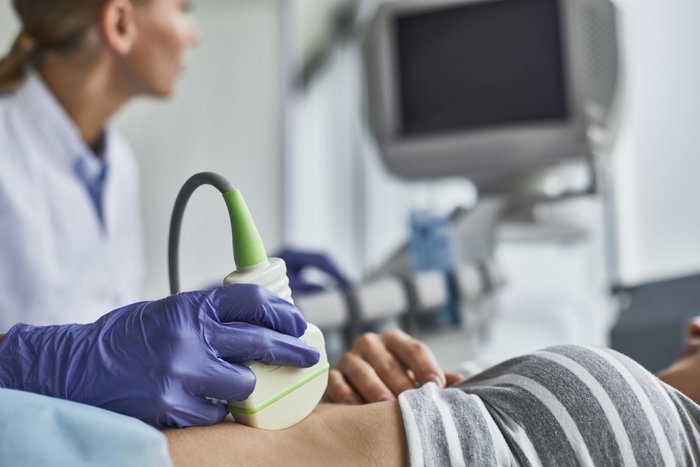

Symptoms After Embryo Transfer

Symptoms After Embryo Transfer pregnant women and IVF doctor 2

Symptoms After Embryo Transfer pregnant women and IVF doctor 2

Embryo transfer is the final step in the in vitro fertilization (IVF) process, and it can be an anxious time for hopeful parents. After the transfer, there are several symptoms that you may experience, some of which are signs of early pregnancy, and others that are simply a result of the procedure. Here’s what you can expect in the days and weeks following embryo transfer.

1. What are the early signs of pregnancy after embryo transfer?

After embryo transfer, some women may experience early pregnancy symptoms such as mild cramping, bloating, breast tenderness, and nausea. These symptoms can be a sign that the embryo has implanted in the uterus, but they can also be caused by the hormones that are used during the IVF process. It’s important to remember that not everyone experiences these symptoms, and some women may not feel any different after embryo transfer.

2. Is it normal to have cramping after embryo transfer?

Mild cramping after embryo transfer is normal and is often a sign that the embryo has implanted in the uterus. However, if the cramping is severe or accompanied by heavy bleeding, you should contact your doctor immediately, as this may be a sign of a more serious problem.

3. How long after embryo transfer can you take a pregnancy test?

You should wait at least 10 days after embryo transfer before taking a home pregnancy test. Taking a test too early can lead to a false negative result, as the levels of the pregnancy hormone, human chorionic gonadotropin (hCG), may not yet be detectable in your urine.

4. Can stress affect embryo implantation?

Stress can have a negative impact on fertility and may affect embryo implantation. However, it’s important to remember that stress is not the sole cause of infertility and that many factors can contribute to difficulty conceiving. If you’re struggling with stress, it may be helpful to seek support from a therapist or counselor.

5. What should you avoid after embryo transfer?

After embryo transfer, it’s important to avoid strenuous exercise, hot baths or saunas, and alcohol. You should also avoid taking any medication or supplements that have not been prescribed by your doctor, as they may interfere with the success of the procedure.

6. Can you travel after embryo transfer?

It’s generally safe to travel after embryo transfer, but you should avoid long-haul flights and make sure to stay hydrated during travel. If you’re planning a trip, it’s best to discuss it with your doctor beforehand.

7. How long does it take for an embryo to implant after transfer?

Embryo implantation usually occurs between 6 and 10 days after embryo transfer. During this time, you may experience mild cramping or spotting, which is a sign that the embryo is implanting in the uterus.

The success rate of embryo transfer doctor doing embryo transfer

8. What are the chances of success after embryo transfer?

The success rate of embryo transfer varies depending on a number of factors, including the age of the mother, the quality of the embryo, and the number of embryos transferred. On average, the success rate of traditional IVF is around 30% and the success rate of ICSI/IMSI IVF is around 60%  although this can vary significantly depending on individual circumstances.

When Should I Freeze My Eggs?

When Should I Freeze My Eggs?

When Should I Freeze My Eggs 1 When Should I Freeze My Eggs?

Fertility declines after 40. Fertility preservation can help you conceive later in life. The reason for egg freezing is a declining fertility rate. But it is not as easy as it seems. There are several reasons to freeze your eggs, including the live birth rate and cost. Continue reading to find out the pros and cons of egg freezing. After reading this article, you’ll be well-prepared to choose a method.

Fertility declines after the age of 40

In our society, women in their mid-30s and older often worry that their fertility has begun to decline. While older women experience more fertility problems than younger ones, this does not mean that they cannot conceive. While fertility declines in both sexes, older women experience more difficulties. Because older women have lower levels of ovarian reserve, they may need assisted conception. Fertility declines in men too, especially after age 35.

A recent study of over a million pregnancies found that women over 40 had a 50% higher chance of miscarriage than women under 35. In fact, over 90% of pregnancies were lost before women reached the age of 45. Furthermore, the risk of developing Down syndrome increased significantly with age. In addition, women lose their egg count each month, and older eggs are more likely to contain chromosomal abnormalities.

Reasons to freeze your eggs

Why freeze your eggs? Several reasons exist for the process. These reasons include the fact that the average sperm count has declined in most countries over the past century. In Denmark, for instance, a study concluded that the average sperm count has fallen by 50% since 1973, with no sign of a plateau. Although these reasons are not conclusive, they do support the idea of egg freezing as an empowering option for some women.

Firstly, freezing your eggs is a safe way to preserve your current fertility. You can still become pregnant after undergoing treatments for conditions such as cancer or chemotherapy. However, a freezing procedure is costly, and navigating insurance can be challenging. And you’re likely to need to use your own resources to pay for it. But it’s worth it in the long run. This procedure will keep your current fertility intact and reduce any anxiety you might have about your future.

Live birth rate

One of the most common questions asked by couples who are considering freezing their eggs is, “What is the best age to freeze eggs for a live birth rate?” In fact, the success rate depends not only on the age when the eggs are frozen, but also on general health. The study by Maslow et al., 2020, determined that women under 35 had the highest live birth rates. However, as the woman’s age increases, the success rate decreases.

The cumulative live birth rate for women who have had egg freezing before age 35 was reported to be 94.4%, with the most optimistic scenario limited to women younger than 35 with 24 oocytes stored. For women with fewer than 24 eggs in storage, the live birth rate increased to 41.7%, but for women over 36, this was not enough to increase the live birth rate. While egg freezing can help couples overcome deferred parenthood, it has many risks.

Cost

The cost of freezing eggs can vary. Depending on where you live, you can freeze eggs for as many as five years. In the U.S., you can store them indefinitely, while in the UK, you can store them for an unlimited amount of time. The average cost is around 3,350 pounds for each egg. This does not include the medication costs and storage fees. It also includes the time it takes for the egg to thaw and implant, which can run into the thousands of pounds.

Most fertility clinics accept credit cards, but be aware that your credit card limit may not cover the full cost of the procedure. Unlike most medical procedures, egg freezing must be paid for in full up front. However, some clinics offer payment plans or partner with financial institutions to offer direct loans. If you have a limited budget, consider freezing your eggs now. You’ll save more time and money, and you’ll have the chance to have a baby later on.

Insurance coverage

Many leading tech companies have implemented insurance coverage for women considering egg freezing. Although the costs can be quite high, the benefits may make egg freezing appealing. These benefits can increase competition in the fertility field and expand what employers cover. Additionally, they raise the bar for women’s health coverage. If more employers begin to offer fertility coverage, more women may have access to the most mainstream fertility treatments available. For this reason, insurance coverage for egg freezing should be considered carefully before undergoing the procedure.

Depending on your insurance plan, you may be able to receive partial or full insurance coverage. Although most infertility treatments aren’t covered by insurance, some state laws mandate that health insurance plans cover infertility treatments. While your insurance plan may pay for diagnostic testing, the cost of egg freezing can still be out-of-pocket. Fortunately, many fertility clinics will offer payment plans. Some even offer a discount for non-insured patients.

IVF and IUI Differences

IVF and IUI Differences

IVF and IUI Differences

IVF and IUI are both methods of assisted reproduction, but they do have some significant differences. IUI is a safer alternative than injectables, while IVF is more expensive per cycle. This article compares both methods and explains why IUI is better for first-time parents. IUI is also less expensive per birth than IVF. So, which one is better for you? Read on to find out!

IUI is more affordable per cycle than IVF

While the costs of IVF and IUI may vary, IUI is more affordable per cycle. Depending on your location and insurance, an IUI cycle can run between $300 and 4,000 dollars. The total cost for an IVF cycle may be close to $15,000, with some additional costs. Generally, the IUI procedure can increase your chances of conceiving by 18%. And since the procedure is cheaper per cycle, it is a great option for many couples.

IUI is a relatively painless and quick process. The male partner separates his sperm from the egg before inserting them. Then, he monitors the woman’s cycle to detect when she ovulates and inserts the sperm via a catheter. The embryo has a ninety-five percent chance of resulting in a live birth. If all goes well, the pregnancy will be confirmed by a blood pregnancy test.

IUI is safer than injectablesIVF and IUI Differences

A procedure known as IUI is a safer option than injectables for IVF. It is a simple procedure that takes no more than 20 minutes. Most women do not experience pain during the procedure. There is no need to undergo anesthesia. The chances of conception are significantly higher than with injectables. A woman undergoing an IUI treatment should have a good understanding of the risks associated with the procedure.

The timing of IUI is vital. A urine ovulation predictor kit can detect when a woman is ovulating. Transvaginal ultrasound can help visualize the ovaries and track the amount of luteinizing hormone. Human chorionic gonadotropin can help a woman ovulate eggs. It is important for women to have a healthy fallopian tube.

IVF costs more per cycle

It’s true that IVF costs more per cycle than IUI, but that cost is actually more affordable over the long term. In most cases, the first three or four cycles of IUI are successful. The costs of IVF can get very high, especially if you fail to conceive within these cycles. But the success rate of IVF is much higher than IUI, and the price may be worth it in the end.

Some clinics have refund programs that require you to pay a certain amount up front. These programs often range from $20,000 to $30,000 per cycle. In return, the clinic will refund a portion of the money, if you fail to conceive after three or four cycles. You can also use your donor eggs to get the treatment at a discount by sharing them with other couples. You can also use a frozen egg bank to save money and cycle when it works for you.

IUI costs less per birth than IVF

IUI is considered a less invasive option, and it is also cheaper. Depending on where you live and your health insurance coverage, an IUI cycle can cost anywhere from $300 to $1000 without insurance. In contrast, an IVF cycle can run up to $15,000, so cost will depend on your specific medical situation and where you live. But the general conclusion is that IUI costs less per live birth than IVF.

The initial work-up for IUI and IVF is similar, and new patients will be given a checklist of things they need to do before the procedure. A HSG (hepatic systolic acid) test will be done to check whether the fallopian tubes are open. If they are, you’re ready for IUI. After the first two cycles, IUI becomes significantly cheaper than IVF.

What is Micro-TESE?

What To Do After microTESE?

What is Micro-TESE? Is Micro-TESE Safe?

Micro-TESE is a type of non-blind sperm retrieval. This technique has many benefits, including improved sperm retrieval, low complication rates, and low risk of hypospermatogenesis.


Micro-TESE is a Non-blind Sperm Retrieval Technique

A non-blind sperm retrieval procedure is known as Micro-TESE. This process involves removing tissue samples, opening tubules in a controlled fashion, and searching for usable sperm. The process of Micro-TESE can be timed with an egg retrieval cycle or IVF cycle to ensure that the sperm are not frozen. Sperm produced by men who have sperm production problems are difficult to freeze. Fresh sperm from men with NOA have the same pregnancy rate as frozen sperm.

In addition to a blind TESE technique, there are two types of TESE. The classical method involves a biopsy of the testicles. Depending on the condition, the TESE technique can yield a high percentage of sperm, but the rate will be lower than with conventional TESE. During the testicles, spermatogenesis may take place in other areas of the testicles. In such cases, further biopsy procedures may be necessary. This method can only be successful in a small number of patients with NOA. Fortunately, Micro-TESE is non-blind, and uses an operative microscope for sample collection.


Micro-TESE Improves Sperm Retrieval

In recent studies, micro-TESE has been found to increase sperm retrieval success rates by about 80% compared to conventional TESE. These results are encouraging, but not definitive. This is likely because men with rare spermatozoa may not receive 100% success, but more successful micro-TESE treatments will still improve sperm retrieval rates. However, a small group of patients who suffer from sperm disorders may not be candidates for micro-TESE.

The results of the study showed that micro-TESE significantly improved the success rate of sperm retrieval in men who are unable to conceive. Micro-TESE was well tolerated by all patients, with the exception of two. The overall sperm retrieval rate was similar between micro-TESE and TESE, with the difference being in the number of failed ICSI attempts.


Micro-TESE Has Low Complication RatesWhat is Micro-TESE?

One of the most important things to note when performing TESE surgery is its minimal complication rate. The complication rate of micro-TESE is exceptionally low. One study involving 100 patients found that only three patients developed complete or incomplete germ-cell aplasia. In contrast, SRR for TESE with no aplasia was only 76%. These numbers are comparable to the overall rate of complication for conventional TESE.

Other studies have shown that micro-TESE is effective in retrieving sperm in a majority of patients with NOA and very low postoperative complication rate. However, it is still necessary to conduct more research to understand the full clinical implications of micro-TESE. In fact, this method has very low complication rates compared to conventional sperm retrieval. Although there are few high-quality head-to-head comparative randomized trials for micro-TESE, available studies focus on evaluating the live birth rates and long-term outcomes of children conceived with testicular sperm from NOA patients.

How Long Does IVF Take?

How Long Does IVF Take?

You have probably wondered, “how long does IVF take?”. In this article, we will take a look at the process, from regulating the menstrual cycle to preparing the ovaries. You’ will also learn about the pre and post-surgery stages of the IVF process, including the need for sedation during the procedure.


Pre IVF Preparations

Ideally, couples wait at least six months before their appointment with the gynaecologist. During the previous three months, the follicles mature, which is crucial to the quality of the eggs produced. After that, you must avoid making any major changes to your diet, and limit the amount of physical activities. A healthy diet is essential for a successful IVF cycle.

It is important to learn as much as you can about the process of IVF, including the clinic you choose and the treatment program that will be used. Though IVF is a lengthy journey, being well prepared may minimize your anxiety and ensure success.


Preparing the Eggs for Fertilization

In IVF, preparation of eggs for fertilization is essential to the success of the procedure. The embryologist will examine the eggs to determine their maturity and then insert sperm into them using an intracytoplasmic syringe (ICSI). The embryos will then be placed int an incubator, similar to the one inside the body. Depending on their maturation status, these eggs will undergo IVF. The embryos will stay in the laboratory for 5 to 7 days, and may be transferred to the mother or father.

A doctor will use medication to make the eggs mature for fertilization. During this procedure, a small hole will be created in the embryo shell. The eggshell normally dissolves on its own. The egg must have a membrane in order to implant successfully. Assisted hatching has no proven benefits in improving pregnancy rates, and there are some minor risks involved. However, it is worth considering for those who have difficulty conceiving naturally.


Sedation During Procedure

The process of egg collection, or egg retrieval, is often performed under anesthesia. An ultrasound probe is used to identify follicles and a long needle is guided into them. The eggs are then removed via a suction device. The entire procedure usually takes about 15 minutes. Although the procedure itself is relatively painless, some women may experience slight cramps or vaginal bleeding during the procedure. These symptoms should dissipate by the time they are released.

The egg retrieval process typically takes about 15 minutes and requires little pain. A nurse will accompany the patient into the procedure room and have them lie on a surgical bed. The IVF Consultant, embryologist and anaesthesiologist will come to the room and introduce themselves. During the procedure, the anaesthesiologist will insert a cannula into the back of the patient’s hand. Then, sedation will begin. The procedure is not painful and requires no stitches or incisions.


Embryo or Blastocyst TransferEmbryo or Blastocyst Transfer

The process of transferring an embryo or a blastocyst in IVF can be very difficult, especially if you do not have a good sperm quality. The first step in the transfer process is the culture of the embryos. Normally, embryos will be cultured in G1.2 or G2.2 media. Embryos transferred on day three should be grown in G1.2 media for two to four days. In day five, however, embryos will be transferred in G2.2 medium. Embryos developed in the latter stage are more likely to implant successfully.

A few advantages of blastocyst transfers are listed below. Firstly, blastocysts have a higher chance of surviving. This means that fewer of them will not become a baby. Furthermore, this procedure allows for preimplantation genetic testing. Additionally, a blastocyst transfer is associated with improved pregnancy rates and reduced multiple gestation risk.


Possible Complications of IVF

IVF is a fertility treatment that has revolutionized the way infertile couples conceive. This procedure has helped countless couples have children and has changed their lives forever. However, there are several risks associated with IVF, including multiple births, OHSS, and multiple pregnancies. These risks can be reduced by changing treatment protocols. Some of the complications associated with IVF are listed below. To learn more about these risks, please consult with a fertility specialist.

The most common complication related to IVF is Ovarian Hyperstimulation Syndrome (OHSS), which is caused by the excessive stimulation of the ovaries. Women who undergo IVF treatment have a slightly higher risk of developing OHSS. OHSS can be mild, moderate, or severe, and the symptoms can range from a bloated feeling to painful abdominal cramps. Typically, OHSS resolves on its own, but in some cases, it can be serious.

What to Know Before an Embryo Transfer?

What to Know Before an Embryo Transfer

Before an Embryo Transfer

If you are interested in having a baby, but you are unsure whether you are ready for an embryo transfer, you must know the basics before you schedule your appointment. The procedure is noninvasive and takes place approximately five days after you have had your eggs harvested. You will need a full bladder and a thin catheter for the procedure. Your physician will explain everything to you before the procedure and answer any questions.


Embryo Transfer is a Non-invasive Procedure

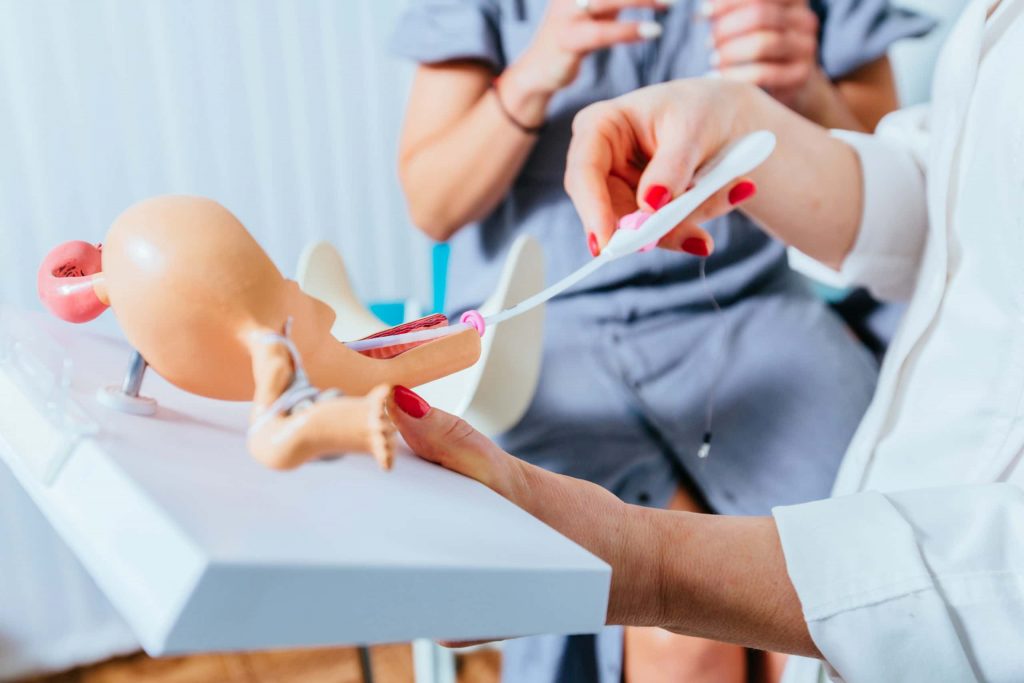
Embryo transfer is a common method of artificial insemination. It is non-invasive and requires no anesthesia. A thin, flexible tube is inserted through the cervix to the uterus. A syringe containing the embryos is then placed at the tip of the catheter. The embryos are deposited gently into the uterus. The embryos will implant in the uterus six to 10 days after transfer. The ovaries may remain enlarged for a few days after the procedure, but will return to normal after the embryo transfer.

The transfer procedure is done under sterile conditions in a special room, similar to a pap smear. The doctor will insert a catheter and speculum through the cervix. After the transfer, the female rests for 15 minutes. Following the transfer, they are given follow-up instructions. Bloodwork is recommended four to seven days after the procedure. A pregnancy test is also recommended.

Embryo Transfer Takes Place 5 Days After Egg Retrieval

The first step of the process involves the egg retrieval. The procedure itself is simple, but can leave some women with a few discomforts. Women typically experience cramps, fullness, or pressure around the time of the retrieval. If any of these symptoms persist after the procedure, it is best to call the doctor. A trigger shot is administered to finalize the maturation process of the eggs. Afterward, an ultrasound will be used to guide a thin needle into the ovaries and follicles. The suction device then extracts the eggs from the follicles, which are placed in an incubator. Women are generally given medication to reduce discomfort during the procedure.

Patients must check in at least one hour prior to the procedure to make sure they are healthy and prepared. Since the procedure is time-sensitive, patients are encouraged to avoid heavy lifting and vigorous physical exertion for the first few days following the egg retrieval. It is also important to avoid using vaginal creams or spermicides before the procedure, as odors may be harmful to the embryos. Patients should also wear comfortable clothes. Because the procedure may result in cramping, discomfort, or spotting, patients are encouraged to wear loose fitting clothes.


Embryo Transfer Requires a Full Bladder

It is critical that you have a full bladder before you have your embryo transfer. Your doctor will use ultrasound to guide the process and a full bladder is essential for this. Your doctor will also need to urinate to ensure implantation of the embryo. However, it may seem counter-intuitive to empty your bladder before an embryo transfer. After all, the embryo is in your uterus, not in your bladder. This will prevent the embryo from being flushed out of the uterus.

During the egg retrieval process, some women may feel mild discomfort. Others may experience strong cramping sensations if the doctor accidentally hits the fundus. It is important to be comfortable during the procedure and to wear socks to protect your feet. Ideally, you should have a partially full bladder before your embryo transfer. It will facilitate the transfer and give your doctor a better picture of the embryo’s position on the ultrasound.


Embryo Transfer is Done with a Thin Catheter

An embryo transfer is a procedure that involves the introduction of an embryo into the woman’s uterus. The uterus should be completely full for the procedure, which will improve the ultrasound picture quality. The procedure is more complicated than the egg retrieval or ovulation stimulation, and the embryos must be placed in the correct location for implantation.

The number of embryos that can be transferred into a woman depends on her age and health. Younger women are generally advised to transfer two embryos at one time, while older women can opt for a single embryo. Although there is little evidence to suggest that the practice causes an increased risk of multiple births, many doctors still recommend multiple embryo transfers to ensure a successful pregnancy. This method is generally considered safe for both men and women.

Embryo Transfer is Safe for a Singleton Pregnancy

The number of multiple pregnancies has steadily increased after IVF and ICSI, with the rate of twin pregnancies remaining relatively high. In Finland, the decision to transfer only two embryos was made in 1993. The number of singleton pregnancies has risen significantly since then, reaching 19.7% of cycles during 1999. Elective singleton pregnancy has become more common, with more couples requesting it than ever before.

Although the risk of twins and singletons is not a huge concern, the outcomes of these pregnancies are still poorer than those of a naturally conceived twin. The exact cause of these differences is unclear, but they may be caused by a range of maternal factors, including infertility, stress during pregnancy, and ovarian stimulation or IVF procedures.


Embryo Transfer Can Lead to Multiple PregnanciesWhat to Know Before an Embryo Transfer?

Women who are in their early 30s and those who are overweight or obese are at higher risk of multiple pregnancies. They are also more likely to have twins. Genetics also play a role. If both sides of the family had multiples before, they are more likely to have more children. If you have twins or high-order multiples, you may be at higher risk for complications. Pregnancy complications will be more common with multiples, so it is important to visit your doctor more frequently to monitor any problems.

The risks associated with multiple pregnancies are greater than those with singleton pregnancy. Premature birth increases the risk of multiples. During the first trimester of pregnancy, one fertilized egg divides into two or more embryos. In most cases, multiples result in twins, although some women carry multiples to term. The resulting babies are usually born at different gestational ages, which increases their risks of low birth weight.

Pregnancy During Early Menopause

Can A Woman Experience Pregnancy During Menopause

Can a Woman Get Pregnant During Menopause?

At a certain age, women begin their period cycle. The period cycle helps a female’s body clean itself by discharging the fluid via blood. The female’s body repeats this cycle every month. Once the woman’s body ends its monthly period cycle, the menopause phase begins. This means  there are no eggs left in, or produced by her ovaries. If an individual has entered the menopause phase, they will no longer have a chance to naturally get pregnant. This is due to the fact that in order to get pregnant, the ovaries must produce eggs, and they cease this process during this phase.

Another issue is the fact that the ovaries’ production of hormones decrease and slow down once menopause begins. In exceptional circumstances, a woman can get pregnant during menopause, but this is a very rare possibility. If this does happen, the amount of hormones in the ovaries are important. Another important factor is the stage of menopause that the female is in, and some people may have a condition called early menopause.

Some women can get pregnant, even though they are in early menopause. However, it is important to visit a gynaecologist as soon as possible to confirm if they are really experiencing this, or if if they are just experiencing similar systems instead.

Getting Pregnant During Early Menopause

If a woman wants to get pregnant after the beginning of menopause, there are 2 options.

The first would be In Vitro Fertilization (IVF) treatment, and the second is getting pregnancy using the reproductive cells, the eggs of a donor. By trying at least one of these options, a female can get pregnant after their menopause begins.

The menopause diagnosis is only given after not experiencing a period for 12 months. According to specialists, a female cannot naturally get pregnant after they begin the menopause phase. It is important to identify exactly what stage of menopause that the individual is in. If the monthly period is no longer occurring, there may be several reasons or health conditions other than menopause that could be causing this.

In Vitro Fertilization (IVF) With Low Egg Reserve

In Vitro Fertilization (IVF) With Low Egg Reserve


In Vitro Fertilization in Patients with Low Egg Reserves

Low Ovarian Reserve: Challenges and IVF Treatment Options

There are a number of reasons for low egg reserves in women. Ovarian reserve may be low in women due to infertility problems, advancing age, menopause, premature menopause, and ovarian diseases like PCOS.

In Vitro Fertilization (IVF) can be offered as an option to women with low egg reserves. But the real problem is the quality of the eggs and how mature they are. If the eggs are not of good quality, the chances of success almost disappears.

In addition to the age of the female, the ovarian reserve is of great importance for pregnancy. If high quality and mature eggs can not be collected from the mother after the necessary medication has been administered, the IVF treatment will fail.

Hormone medication can be given to make the eggs of the mother have an improved quality and more mature. The medication treatment plan lasts approximately two weeks. At the end of the medication treatment plan, the patient undergoes an egg collection, also known as OPU. The more mature and better quality eggs that are harvested, the higher the chances are of pregnancy. Generally, the chances of pregnancy are gradually decrease in women starting from the age of 30. As the woman ages, so do her ovaries. Couples who want to have children but have been unsuccessful for a significant amount of time need to act as soon as possible, with consideration of their age, ovarian quality, sperm quality, and overall health.

Common Causes of Infertility

Common Causes of Infertility

Common Causes of InfertilityWhat are the most common causes of Infertility?

According to the World Health Organization (WHO), infertility is a social disease. On average, one in ten couples in the world has problems with conceiving a child.

With regular sexual intercourse, 84% of women get pregnant in the first year, and 92% after 2 years. A couple’s infertility is defined as the couple’s inability to conceive after 12 months of regular, unprotected sexual intercourse.


Improper Body Mass and Infertility

Being underweight or obese may contribute to a couple being unable to conceive. The most popular method of determining the proper body mass is the calculation of BMI, based on the body weight in relation to the height of a given person. It is assumed that the permissible BMI value ranges between 18.5 and 24.5. Higher indices indicate being overweight or obese, and lower ones indicate being underweight. Consultation with a dietician or paying more attention to nutritional choices is advised. Sometimes, the situation requires a visit to a specialist, who will verify whether the improper body mass is related to other diseases, like thyroid dysfunction.


Infections in Urinary and Reproductive Organs

Recurring, untreated or improperly treated infections like cystitis may result in adhesions. These in turn cause tubal occlusion and resulting difficulties with fertilization.


Irregular Menstruation

Regular menstruation – in the case of every woman – depends on proper ovulation. It is considered that the proper menstruation cycle should last from 21-35 days. In such cycles, menstruation occurs at acceptably regular intervals. In the case of bleeding or spotting which occurs irregularly or between periods, a gynecologist should be consulted. Typically, the doctor will recommend a panel of tests and determine the levels of hormones participating in the regulation of the menstrual cycle to diagnose the cause of the problem. The gynecologist will also perform ultrasonography and suggest the path of proceeding that is optimal for the patient’s medical situation.

Irregular menstrual cycles can often indicate a hormone imbalance and resulting ovulation disorders. They can be associated with thyroid diseases, polycystic ovary syndrome (PCOS), or luteal phase disorders. If ovulation does not process properly, problems with getting pregnant emerge.


Menstrual Pain and Pain During Intercourse

Pain during menstruation and sexual intercourse may indicate an inflammatory condition within the pelvis or be a symptom of endometriosis. Inflammatory conditions may result from bacterial or viral infections within reproductive organs and their vicinity (appendix, intestines), and lead to lesions that hinder or prevent pregnancy.


Endometriosis and Infertility

Endometriosis is a hormonal and immune condition occurring in girls and women of reproductive age. It is associated with the growth of the mucosal tissue of the uterus (endometrium) and its presence within the abdominal cavity. The endometrial cells produce mediators (chemical substances), which to a significant extent negatively affect the process of ovulation, fertilization, and, later on, embryo implantation in the uterine cavity.

The cause of the problem is diagnosed on the basis of performed laboratory tests, examination of the bottom of the uterus, and/or laparoscopy. When endometriosis is diagnosed, the therapy increasing the patient’s fertility is selected by the doctor – depending on the stage of the disease’s development and its severity.

Sometimes – where the course of the disease is mild or mild to moderate, the treatment consists of limiting the symptoms of the disease. In more problematic cases, it may require In Vitro Fertilization (IVF).


Consequences of Previous Surgeries Causing Infertility

The surgical treatments to which the patient was subjected, especially within the abdominal cavity may lead to adhesions that cause tubal occlusion, a physical obstacle for sperm joining an oocyte. The examination allows for the diagnosis of fallopian tube patency evaluation by laparoscopy, or ultrasound examination with a contrast agent administered to the reproductive tract. If serious abnormalities are confirmed, the doctor may suggest In Vitro Fertilization (IVF).


Anatomical Abnormalities

Women planning pregnancy should visit a gynecologist before they start trying to get pregnant. The doctor will assess the condition of reproductive organs during an ultrasound examination. Problems with conceiving a child can occur in connection with, for example, an underdeveloped uterus or uterine septum, retroverted uterus, or congenital tubal anomalies.


Metabolic Diseases Causing Infertility

In the case of diabetes or other metabolic diseases of the future mother, they must consult a physician before trying to get pregnant. In some cases, the consequences of disorders may have an impact on the ability to get pregnant. Enhanced diagnostics and taking additional medical measures may be necessary.


Hyperprolactinemia and Infertility

Hyperprolactinemia, the presence of abnormally high levels of prolactin in the blood, also may cause problems with conceiving. Prolactin is a hormone produced by the anterior pituitary gland, and its physiological function is the stimulation of mammary glands during pregnancy and lactation. Its abnormally increased level disrupts the proper functioning of the hormones taking part in the menstrual cycle. The symptoms of hyperprolactinemia may include irregular menstruation, spotting, abdominal pain, dizziness, or visual disturbance. Hyperprolactinemia is diagnosed on the basis of tests determining the blood prolactin levels, and in some cases on the results of supplementary MR imaging of the head and ophthalmic examination.


Immune System Disorders Causing Infertility

In the case of certain couples, the female’s body produces antibodies for her partner’s sperm, which may damage and destroy them. Typically, this is defined as Hostile Cervical Mucus Syndrome. By performing tests at the Crown IVF fertility clinic, the couple may check if they will have issues relating to this. Immune system disorders may also be the cause of miscarriages, though in such cases detailed diagnostics are necessary.