Understanding the Role of LH Hormone

LH Hormone

Overview Of LH Hormone FunctionLH Hormone
LH Hormone plays a crucial role in the human body, especially in women. It is produced by the pituitary gland located at the base of the brain and is responsible for the proper functioning of the ovaries in women and testes in men.

The LH Hormone regulates the menstrual cycle in women and controls the production of testosterone in men. It stimulates the production of follicles in the ovaries, which release the egg during ovulation. The hormone is also responsible for the preparation of the uterus to receive the fertilized egg and for the production of estrogen and progesterone hormones.

The LH Hormone functions with the FSH hormone to maintain a healthy reproductive system. The FSH hormone regulates the growth of ovarian follicles, while the LH Hormone triggers ovulation and the development of the corpus luteum.

LH Hormone Function Men Women
LH Hormone Regulates Testosterone Production Menstrual Cycle and Ovulation
LH Hormone Triggers Sperm Production Ovulation
LH Hormone Prepares N/A Uterus to Receive the Fertilized Egg

The LH Hormone levels are at their highest during the time of ovulation in women, which is around 14 days before the start of the menstrual cycle. LH Hormone levels that are too high or too low can lead to problems in fertility, such as anovulation and infertility.

Overall, the LH Hormone is essential for proper reproductive health in both men and women and plays a vital role in the menstrual cycle and fertility. Understanding the function of the LH Hormone can help individuals take the necessary steps to optimize their reproductive health and ensure that they are taking care of their bodies in the best way possible.

LH Hormone And Reproductive Health

The human body is a complex system that operates through a network of hormones, each with its specific functions. Among these essential hormones is the Luteinizing Hormone (LH), which is crucial for reproductive health. LH Hormone, a member of the gonadotropin family of hormones, plays a significant role in regulating the functioning of the male and female reproductive systems.

For females, LH Hormone is responsible for triggering ovulation, the process in which a matured egg is released from the ovaries. LH Hormone stimulates the production of estrogen, another hormone produced by the ovaries. In males, LH Hormone stimulates the production of testosterone, a hormone produced by the testes that is necessary for the development and maintenance of male reproductive organs and secondary sexual characteristics.

Male Reproductive Health Female Reproductive Health
LH Hormone stimulates the production of testosterone, which is responsible for male sexual characteristics such as deep voice, facial hair, and muscle mass. LH Hormone is crucial for ovulation and the production of progesterone, a hormone that prepares the uterus for pregnancy.
Low levels of LH Hormone can lead to low testosterone levels, resulting in erectile dysfunction, infertility, and decreased sex drive. High levels of LH Hormone can cause a condition called polycystic ovary syndrome (PCOS), which may lead to infertility, acne, and weight gain.

Therefore, the level of LH Hormone in the body is critical for reproductive health. While the hormone is naturally regulated by the body, imbalances can occur, leading to adverse health implications. LH Hormone imbalance can cause infertility, impotence, menstrual cycle irregularities, and other reproductive system-related issues. It is essential to monitor the levels of LH Hormone in the body, especially when trying to conceive or experiencing symptoms associated with hormone imbalance.

In conclusion, LH Hormone plays a vital role in reproductive health, regulating the production of male and female sex hormones. Maintaining a balanced level of LH Hormone in the body can improve reproductive health and overall well-being.

Importance Of LH Hormone İn Fertility

When it comes to fertility, hormone levels play a crucial role. One hormone in particular, LH hormone, is especially important in fertility. LH, or luteinizing hormone, is a hormone produced by the pituitary gland that plays a key role in the reproductive system.

LH hormone is responsible for triggering ovulation in women and sperm production in men. In women, LH levels rise just before ovulation, signaling the ovaries to release an egg. In men, LH stimulates the production of testosterone, which is necessary for the production and maturation of sperm.

Imbalances in LH hormone levels can have significant implications for fertility. Low levels of LH in women can lead to irregular menstrual cycles and difficulty ovulating, while high levels of LH can indicate polycystic ovary syndrome (PCOS), a condition that can cause infertility. In men, low levels of LH can lead to low testosterone levels and decreased sperm production.

LH hormone levels during the menstrual cycle
Follicular Phase (Days 1-14) Low levels of LH
Ovulatory Phase (Day 14) Surge in LH levels, triggering ovulation
Luteal Phase (Days 15-28) Steady decline in LH levels

Testing LH hormone levels can be helpful in the diagnosis of infertility. In women, LH levels can be measured through a blood test or urine test during the menstrual cycle. In men, LH levels may be measured through a blood test or semen analysis. If LH levels are found to be imbalanced, treatments such as hormone therapy may be recommended to help regulate these levels.

In conclusion, LH hormone plays a critical role in fertility, especially in ovulation and sperm production. Imbalances in LH levels can have significant implications for fertility, but testing and treatment options are available to help regulate these levels and improve fertility outcomes.

LH Hormone Levels During The Menstrual Cycle

The LH hormone plays a crucial role in the menstrual cycle. This hormone is responsible for triggering ovulation, which is the release of an egg from the ovary. LH is released from the pituitary gland in the brain, which stimulates the ovaries to produce estrogen and progesterone hormones. The level of LH hormone in the body fluctuates during the menstrual cycle, which is essential for successful ovulation.

During the early part of the menstrual cycle, the level of LH is relatively low. This is because the ovaries are producing estrogen hormone which stimulates the development of the uterine lining. As the follicles in the ovary mature, they produce more estrogen hormone which causes the LH level to rise. This surge in LH hormone triggers ovulation, which usually occurs midway through the menstrual cycle (around day 14 in a 28-day cycle).

LH Levels During The Menstrual Cycle
Days 1-5 LH levels remain low.
Days 6-14 LH levels gradually increase as the follicles in the ovaries mature.
Day 14 There is a sharp rise in LH levels which triggers ovulation.
Days 15-28 LH levels drop after ovulation and remain low until the start of the next cycle.

Tracking LH hormone levels can be useful for women trying to conceive. The LH surge that triggers ovulation can be detected with a home ovulation test. These tests detect the presence of LH in urine and can help determine the best time to try for conception.

However, it is important to note that LH hormone levels can be affected by various factors such as stress, illness, and certain medications. Therefore, it is important to consult a healthcare provider if there are concerns about LH levels or if experiencing difficulty in conceiving.

LH Hormone Testing For İnfertility Diagnosis

LH Hormone Testing For İnfertility Diagnosis

If you are struggling to get pregnant, one of the first steps in determining the cause of infertility is to get a comprehensive fertility evaluation. LH hormone testing is one of the key tests included in this evaluation. LH (Luteinizing Hormone) is a hormone that is produced by the pituitary gland and plays an essential role in the menstrual cycle and ovulation.

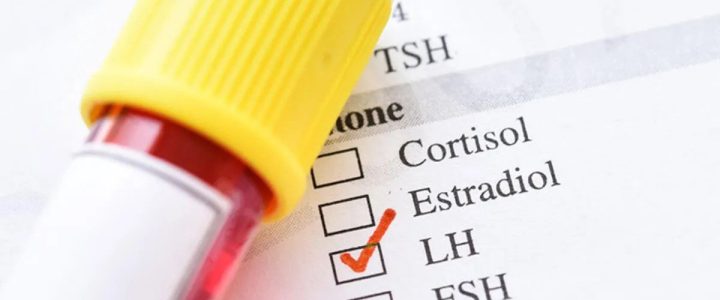
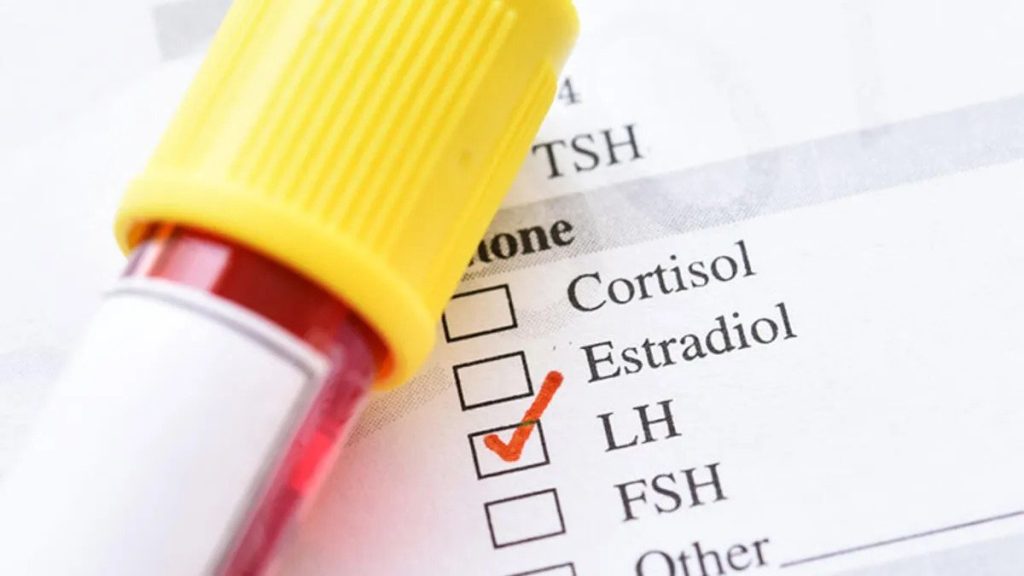
The LH hormone is responsible for triggering the release of an egg from the ovaries. The level of LH hormone in your bloodstream rises quickly just before ovulation occurs, and then decreases after ovulation. LH hormone testing is a blood test done to help diagnose the cause of infertility. Doctors may test LH hormone levels to determine whether there is a problem with ovulation, for example, if LH levels are low, then the body may not be producing enough hormones to trigger ovulation.

LH Hormone Testing for Infertility Diagnosis
What is tested? Levels of the Luteinizing Hormone (LH) in the bloodstream.
When is the test done? During the early part of a menstrual cycle – around day 3-5 or 2-3 days before ovulation.
Why is the test done? To determine whether there is a problem with ovulation or to identify the cause of infertility.
What do the results mean? If LH levels are too low, it may indicate a problem with ovulation, while high levels may indicate a pituitary gland issue.

Generally, LH hormone testing is done during the early part of a menstrual cycle, around day 3-5, or 2-3 days before ovulation is anticipated. The test is done by taking a blood sample from the arm and analyzing the LH hormone level in the bloodstream. LH hormone testing may help identify the causes of infertility, such as polycystic ovary syndrome (PCOS) or pituitary gland disorders. LH hormone testing may also be used to monitor hormone levels during fertility treatments such as in vitro fertilization (IVF).

If you are having fertility issues, an LH hormone test is just one of the tests that may be done as part of the fertility evaluation. It is important to discuss your fertility concerns with your doctor and work together to determine the best course of action for your fertility journey.

LH Hormone İmbalances And Health İmplications

LH Hormone. Have you heard of it? It stands for Luteinizing Hormone, and it plays a crucial role in our reproductive health. However, when there is an imbalance in LH hormone levels, it can lead to various health implications. Let’s take a closer look.

Firstly, what exactly does the LH hormone do? In both men and women, this hormone triggers ovulation and stimulates the production of testosterone. In men, it contributes to the development of sperm. In women, it also helps to regulate the menstrual cycle and plays a role in the production of estrogen.

Now, when there is an imbalance in LH hormone levels, it can lead to various health implications. In women, high levels of LH hormone can indicate polycystic ovary syndrome (PCOS), a common cause of infertility. On the other hand, low levels of LH can lead to amenorrhea, a condition characterized by the absence of menstrual periods. In men, elevated LH levels can indicate testicular failure, while low levels can lead to inadequate sperm production.

High LH Hormone Levels Low LH Hormone Levels
Polycystic ovary syndrome (PCOS) Amenorrhea
Low sperm count Testicular failure

It is crucial to diagnose and manage LH hormone imbalances accordingly. One way to diagnose imbalances is through LH hormone testing. This is commonly done through a blood test, and the results can provide helpful insights into an individual’s fertility and reproductive health.

There are also natural ways to balance LH hormone levels. First and foremost, maintaining a healthy lifestyle is key. Regular exercise, a balanced diet, managing stress levels, and getting enough sleep are all factors that can help regulate hormone levels. In addition, certain herbs and supplements such as maca root, chasteberry, and zinc can also aid in balancing LH hormone levels.

All in all, LH hormone imbalances can have significant health implications, but it is possible to manage and balance these levels through various approaches. If you believe you may have an LH hormone imbalance, it is important to consult with your healthcare provider to determine the best course of action.

Natural Ways To Balance LH Hormone Levels

There are various hormones that play crucial roles in regulating different functions in our bodies. One such hormone is LH or Luteinizing Hormone. This hormone is produced in the pituitary gland and is responsible for regulating ovulation in women and testosterone production in men. Imbalances in LH hormone levels can lead to various health issues.

Fortunately, there are natural ways to balance LH hormone levels. One effective way is through exercise. Regular physical activity can help regulate hormone levels by reducing stress and improving insulin sensitivity. Yoga, Pilates, and strength training are some exercises that are known to balance hormonal levels.

Food Effect on LH Hormone Levels
Fatty fish Increase LH hormone levels
Fruits and vegetables Regulate LH hormone levels
Whole grains Stabilize LH hormone levels

Certain foods can also help regulate LH hormone levels. Consuming fatty fish like salmon, mackerel, or tuna can increase LH hormone levels. Fruits and vegetables contain essential nutrients that regulate hormonal levels. Whole grains like oats, brown rice, and quinoa stabilize LH hormone levels.

Another natural way to balance LH hormone levels is through reducing stress. Stress can cause hormonal imbalances that can lead to various health issues. Mediation, deep breathing exercises, and getting adequate sleep are some effective ways to reduce stress and balance hormone levels.

To sum up, having balanced LH hormone levels is essential for reproductive health and overall well-being. Exercise, diet, and stress management are some natural ways to balance LH hormone levels and improve overall health.

Frequently Asked Questions

1. What is the function of LH hormone in the body?

LH hormone plays a crucial role in reproductive health by stimulating ovulation in women and testosterone production in men.

2. How important is LH hormone in fertility?

LH hormone is vital in fertility as it triggers the release of an egg during ovulation in women and sperm development in men.

3. What are the normal LH hormone levels during the menstrual cycle?

LH hormone levels typically surge during ovulation, reaching levels of 10-20 IU/L, and then gradually drop back down to lower levels during the rest of the menstrual cycle.

4. How is LH hormone testing used in infertility diagnosis?

LH hormone testing can be used to diagnose ovulation disorders and primary ovarian insufficiency in women, and low testosterone levels in men.

5. What are the health implications of LH hormone imbalances?

LH hormone imbalances can lead to infertility, irregular menstrual cycles, low testosterone levels in men, and polycystic ovary syndrome in women.

6. What natural ways can be used to balance LH hormone levels?

Natural ways to balance LH hormone levels include maintaining a healthy weight, reducing stress, and consuming a diet rich in whole foods, healthy fats, and fiber.

7. Should I be concerned if I have high or low LH hormone levels?

If you have concerns about your LH hormone levels being too high or too low, it is best to consult with a healthcare professional for proper evaluation and treatment recommendations.


Does Endometriosis Cause Weight Gain?

Does Endometriosis Cause Weight Gain

Understanding Endometriosis And Its SymptomsDoes Endometriosis Cause Weight Gain

Does Endometriosis Cause Weight Gain? Endometriosis is a common gynecological condition that affects millions of women worldwide. It occurs when the tissue that lines the uterus grows outside of the organ, causing pain, discomfort, and other symptoms. Women with endometriosis may experience a variety of symptoms, including heavy periods, menstrual cramps, painful urination, and pain during intercourse.

Another common question that women with endometriosis ask is whether the condition can cause weight gain. While weight gain is not a direct symptom of endometriosis, there are some ways in which the condition can indirectly affect a woman’s weight. For example, if a woman experiences significant pain or discomfort during her periods, she may be less likely to exercise or engage in physical activity, which can lead to weight gain over time.

Endometriosis and Weight Gain Endometriosis and Hormones
At present, there is limited research to suggest that endometriosis directly causes weight gain. However, there are many variables that can come into play, such as depression, stress, and hormonal imbalances, which can all contribute to weight gain in some women. Understanding these underlying causes can help women better manage their condition and maintain a healthy weight. Endometriosis is known to be an estrogen-dependent condition, which means that it responds to the hormone estrogen in the body. Estrogen is responsible for regulating a wide range of bodily functions, including the menstrual cycle, bone density, and cardiovascular health. If a woman with endometriosis experiences hormonal imbalances, it can lead to a range of symptoms, including weight gain, mood swings, and fatigue.

In summary, endometriosis is a complex condition that can affect women in a variety of ways. Understanding the symptoms of endometriosis and how they relate to other health issues, such as weight gain and hormonal imbalances, can help women take control of their health and improve their overall quality of life. If you are experiencing any symptoms of endometriosis, it is important to speak with your doctor to get a proper diagnosis and start exploring treatment options that can help you manage your symptoms and improve your health.

Endometriosis And The Connection With Hormones

Endometriosis is a medical condition in which the tissue that lines the inside of a woman’s uterus grows outside of it, causing pain and potential fertility issues. This disorder is often linked to hormonal imbalances, which can affect the menstrual cycle and the severity of symptoms. Studies show that women with endometriosis have higher levels of estrogen in their bloodstream, which can lead to the growth of endometrial tissue outside of the uterus. Additionally, women with endometriosis may have lower levels of progesterone, which is a hormone that helps to regulate the menstrual cycle.

Women who have endometriosis may experience a variety of symptoms related to their menstrual cycle, including heavy bleeding, painful cramps, and irregular periods. Hormonal imbalances caused by endometriosis may also cause weight gain, as the body struggles to maintain its normal functions. While every woman’s experience with endometriosis is unique, weight gain is a common concern among many women who suffer from this disorder.

Factors that may contribute to weight gain in women with endometriosis:
1. Hormonal imbalances: As mentioned above, hormonal imbalances caused by endometriosis can affect metabolism and the ability to maintain a healthy weight.
2. Medications: Some medications used to treat endometriosis may cause weight gain as a side effect. Women who are taking these medications should talk to their doctor about ways to manage their weight.
3. Limited physical activity: Chronic pain and discomfort caused by endometriosis may limit a woman’s ability to exercise, leading to weight gain over time.

While weight gain may be a concern for women with endometriosis, it is important to remember that every woman’s experience is unique. Some women may find that their weight stays the same, or that they actually lose weight due to changes in diet or lifestyle. Coping with endometriosis-related weight changes can be challenging, but talking to a healthcare professional can help women understand their options and develop a plan that works best for them.

Potential Impact Of Endometriosis On Weight

Endometriosis is a common medical condition that affects a large number of women worldwide. Although it is well-known for causing significant pain and discomfort during menstruation, there are other health issues that can arise as a result of this condition. One of the more contentious topics surrounding endometriosis is how it affects weight.

While some studies have suggested that there is a correlation between endometriosis and weight gain, there is no concrete evidence to support this claim. Some women with endometriosis have reported experiencing weight fluctuations, but it’s important to remember that not all women will experience this symptom. It’s also worth noting that a person’s weight can be influenced by a variety of factors, including genetics, lifestyle, diet, and exercise habits.

Factors that can contribute to weight gain in women with endometriosis: Factors that can contribute to weight loss in women with endometriosis:
  • Reduced physical activity due to pain or other symptoms
  • Medications that can cause weight gain
  • Emotional stress and depression
  • Hormonal imbalances
  • Poor eating habits due to pain or stress
  • Regular exercise routines
  • Managing stress through meditation or other techniques
  • A balanced and nutrient-dense diet to support overall health
  • Hormone therapy or other treatments to manage endometriosis symptoms

If you are living with endometriosis and concerned about how it might affect your weight, it’s important to speak with your doctor or a qualified healthcare professional. They can provide personalized advice about your individual health and make recommendations for lifestyle changes or other interventions if necessary.

Ultimately, while there may be a potential impact of endometriosis on weight, it’s essential not to assume that all women with this condition will experience weight gain. By focusing on maintaining a healthy and balanced lifestyle, women can help manage their endometriosis symptoms and reduce the risk of weight fluctuations.

The Effect Of Endometriosis On Appetite And Digestion

Endometriosis is a reproductive disorder that affects millions of women worldwide. This condition is caused when the endometrial tissue, which is normally found inside the uterus, grows outside of it. One of the most common symptoms of endometriosis is pain, which not only affects women’s physical and emotional well-being but also their eating habits. Women with endometriosis may experience a decrease or increase in appetite, as well as some digestive issues.

The link between endometriosis and digestion has long been established. Endometriosis can affect the digestive system, leading to bloating, constipation, diarrhea, and other gastrointestinal issues. Women with endometriosis may also experience indigestion, acid reflux, and nausea. These digestive symptoms can make it difficult for women with endometriosis to eat certain foods or maintain a healthy diet.

Potential causes of digestive symptoms in women with endometriosis
1. Inflammation
2. Adhesions
3. Hormone imbalances
4. Endometrial growths

Bloating and constipation are two of the most common digestive symptoms experienced by women with endometriosis. These symptoms are often caused by inflammation and adhesions in the pelvic region, which can also lead to pain during bowel movements. Hormone imbalances associated with endometriosis can also affect the digestive system, leading to changes in appetite and digestion.

Endometriosis can cause a variety of symptoms that can make it difficult for women to maintain a healthy weight, including changes in appetite and digestion. Coping with these symptoms can be challenging, but there are steps that women can take to manage their endometriosis-related weight changes. Reducing inflammation through a healthy diet, managing stress levels, and staying active can all help to alleviate the symptoms of endometriosis and improve overall health and well-being.

Coping With Endometriosis-Related Weight Changes

Endometriosis is a condition where the tissue that normally lines the inside of the uterus grows outside of it. This can lead to a number of symptoms, including pain, heavy periods, and infertility. It is estimated that up to 10% of women in their reproductive years may have endometriosis.

One of the potential impacts of endometriosis is weight changes. While some women with endometriosis experience weight loss, others may experience weight gain. This is likely due to a number of factors, including changes in hormone levels and lifestyle modifications due to the condition.

Factors that may contribute to weight gain with endometriosis:
  • Inflammation: Endometriosis causes inflammation, which can lead to fluid retention and bloating.
  • Medications: Certain medications used to treat endometriosis, such as hormone therapy, may cause weight gain as a side effect.
  • Reduced physical activity: Pain and fatigue caused by endometriosis may make it difficult to remain active, leading to weight gain.

It is important to remember that weight gain with endometriosis is not always within your control. However, there are some things you can do to help cope with these changes:

  • Stay active: Regular exercise can help reduce inflammation and improve mood and energy levels.
  • Eat a balanced diet: Aim to eat a variety of nutrient-dense foods, including fruits, vegetables, lean proteins, and whole grains.
  • Manage stress: Stress can exacerbate the symptoms of endometriosis and lead to emotional eating. Try practicing relaxation techniques such as deep breathing or meditation.

It is also important to talk to your healthcare provider if you are experiencing significant weight changes with endometriosis. They may be able to suggest additional coping strategies or adjust your treatment plan to help manage these symptoms.

Frequently Asked Questions

1. What are the common symptoms of endometriosis?

The common symptoms of endometriosis include pelvic pain, painful periods, heavy menstrual bleeding, pain during sex, and infertility.

2. How is endometriosis connected to hormones?

Endometriosis is believed to be linked to hormonal imbalance, particularly involving estrogen. The excess estrogen in the body can cause abnormal growth of the endometrial tissue outside the uterus.

3. Can endometriosis lead to weight gain?

Endometriosis can potentially lead to weight gain due to factors like hormonal imbalances, inflammation, medication use, and lifestyle changes associated with the condition.

4. How does endometriosis affect appetite and digestion?

Endometriosis can affect appetite and digestion by causing bloating, abdominal pain, and discomfort, which can lead to decreased appetite and changes in eating habits. Additionally, the condition can cause gastrointestinal problems like constipation, diarrhea, and nausea.

5. How can I cope with weight changes related to endometriosis?

To cope with weight changes related to endometriosis, it is important to maintain a healthy diet, engage in regular physical activity, and manage stress. Additionally, seeking professional help from a healthcare provider or a registered dietitian can be beneficial.

6. Can endometriosis be treated with weight loss?

Weight loss may help improve symptoms of endometriosis, but it cannot treat the underlying condition. Treatment options for endometriosis include medication, surgery, and hormone therapy.

7. Is it possible to get pregnant with endometriosis?

While endometriosis can affect fertility, it is still possible to get pregnant with the condition. Treatment options like surgery, fertility drugs, and assisted reproductive technology (ART) can increase the chances of pregnancy.

How does IVF work?

how-does-ivf-work

How does IVF work?

Infertility can be a difficult and frustrating challenge for couples who want to conceive. In vitro fertilization (IVF) is a medical procedure that has helped millions of couples overcome infertility and achieve their dream of having a child. This article will explain how IVF works, the steps involved in the procedure, and what to expect during the process.

IVF involves fertilizing an egg with sperm outside the body in a laboratory dish. The fertilized egg, or embryo, is then implanted in the woman’s uterus. Here are the steps involved in the IVF process:

Step 1: Ovarian stimulation

The first step in the IVF process is ovarian stimulation. The woman is given hormone injections to stimulate the ovaries to produce multiple eggs instead of the usual one egg per cycle. This increases the chances of producing viable embryos for implantation.

Step 2: Egg retrieval

Once the ovarian follicles are mature, the eggs are retrieved using a needle guided by ultrasound. This is typically done under local anesthesia or conscious sedation.

Step 3: Sperm collection

The male partner provides a semen sample, which is then processed in the laboratory to extract the healthiest and most viable sperm.

Step 4: Fertilization

The retrieved eggs are then fertilized with the sperm in a laboratory dish. The fertilized eggs, or embryos, are observed in the laboratory for several days to monitor their development.

Step 5: Embryo transfer

Once the embryos have developed for several days, the most viable ones are selected for transfer to the woman’s uterus. This is done using a thin, flexible catheter that is inserted through the cervix.

Step 6: Pregnancy test

Two weeks after the embryo transfer, a pregnancy test is done to determine if the procedure was successful.

What are the success rates of IVF?

IVF success rates vary depending on a number of factors, such as the age of the woman, the cause of infertility, and the number of embryos transferred. According to the American Society for Reproductive Medicine, the success rate for IVF in women under 35 is approximately 40%. However, this rate decreases as the woman’s age increases.

What are the risks and side effects of IVF?

As with any medical procedure, there are risks and side effects associated with IVF. Some of the potential risks include ovarian hyperstimulation syndrome (OHSS), ectopic pregnancy, multiple pregnancies, and birth defects. Common side effects include bloating, cramping, and mood swings.

How many cycles of IVF are typically needed?

The number of IVF cycles needed varies from person to person. Some couples may conceive on the first cycle, while others may require multiple cycles. The average number of cycles needed for success is three.

What are some alternatives to IVF?

IVF is not the only option for couples struggling with infertility. Some alternative treatments include intrauterine insemination (IUI), ovulation induction, and surgery to correct structural problems. Adoption and surrogacy are also options for couples who are unable to conceive on their own.

What should you consider before choosing IVF?

Before choosing IVF, it’s important to consider a number of factors, including the cost of the procedure, the emotional and physical toll it may take, and the potential risks and side effects. It’s also important to discuss the decision with your partner and a qualified healthcare professional.

What can you expect during the IVF process?

The IVF process can be emotionally and physically challenging, but it’s important to stay informed and prepared. During the process, you can expect frequent doctor’s appointments, hormone injections, and ultrasound monitoring. You may also experience side effects such as bloating, cramping, and mood swings.

What are some tips for coping with the IVF process?

Coping with the IVF process can be difficult, but there are steps you can take to manage stress and anxiety. Some tips for coping include staying informed, seeking support from loved ones, practicing relaxation techniques such as yoga and meditation, and maintaining a healthy lifestyle.

How Successful is IVF?

How Successful is IVF

How Successful is IVF?

In vitro fertilization (IVF) has been a famous choice for couples who are struggling to conceive naturally. IVF is a medical procedure that includes fertilizing an egg with sperm outside the body in a laboratory setting. This process can take a number of weeks and requires a great deal of patience and perseverance. However, the end result can be very rewarding. But the question is, how successful is IVF?

What is the success rate of IVF?

The success fee of IVF depends on several factors, such as the age of the woman, the quality of the sperm and eggs, and the kind of IVF procedure used. On average, the success rate for women below the age of 35 is about 41%, while the success rate for women between the ages of 35-37 drops to 33%. Women between the ages of 38-40 have a success rate of around 22%, and ladies over 40 have a success rate of about 12%.

What factors affect the success rate of IVF?

Several factors can affect the success fee of IVF, including the age of the woman, the quality of the eggs and sperm, the type of IVF manner used, and any underlying medical conditions. Women who are older or have poor quality eggs or sperm might also have a lower success rate with IVF. Additionally, couples who have been trying to conceive for a longer length of time may have a lower success rate with IVF.

What are the benefits of IVF?

One of the main benefits of IVF is that it can help couples who have been struggling to conceive naturally. IVF can additionally help couples who have experienced recurrent miscarriages or have a genetic condition that should be passed down to their children. Additionally, IVF can help same-sex couples or single individuals who desire to have a child.

What are the risks of IVF?

As with any medical procedure, there are risks related to IVF. Some of the risks of IVF include multiple pregnancies, ovarian hyperstimulation syndrome, and ectopic pregnancy. Additionally, there is a small danger of birth defects and other complications related to IVF.

How many cycles of IVF are needed for success?

The number of IVF cycles needed for success varies from person to person. Some couples may be successful with just one cycle of IVF, whilst others may need multiple cycles to obtain a successful pregnancy. It is important to speak with a healthcare specialist to determine the best course of motion for your specific situation.

What is the cost of IVF?

The cost of IVF can differ greatly depending on several factors, such as the location of the clinic, the type of IVF procedure used, and any extra testing or medications required.   

What are the alternatives to IVF?

There are several alternatives to IVF, together with intrauterine insemination (IUI), fertility drugs, and adoption. IUI involves placing sperm directly into the uterus, whilst fertility drugs can help stimulate ovulation. Adoption is another alternative for couples who are unable to conceive naturally.

How can couples increase their chances of success with IVF?

There are several matters couples can do to increase their chances of success with IVF, including retaining a healthy weight, avoiding smoking and alcohol, and following a healthy food plan and exercise routine. Additionally, couples should be sure to observe all instructions provided by their healthcare issuer and take any medications as directed.

Genetic Testing Pregnancy

Genetic Testing Pregnancy

Genetic Testing Pregnancy

Genetic testing in pregnancy has become increasingly popular in recent years as a way for expectant parents to learn more about their baby’s health and potential risks. This non-invasive procedure involves analyzing a small sample of the mother’s blood or amniotic fluid to check for any genetic abnormalities in the fetus. We will explore the benefits and potential drawbacks of genetic testing in pregnancy, as well as what you can expect from the process.

What is Genetic Testing in Pregnancy?

Genetic testing in pregnancy is a medical procedure that can help determine if a fetus has any genetic abnormalities. This procedure is typically done in the first or second trimester of pregnancy and can be done using a sample of the mother’s blood or amniotic fluid. The test looks for specific changes or variations in the DNA that can indicate the presence of a genetic disorder. Some of the most common genetic disorders that can be detected through prenatal testing include Down syndrome, cystic fibrosis, and sickle cell anemia.

What are the Benefits of Genetic Testing in Pregnancy?

One of the main benefits of genetic testing in pregnancy is that it can provide parents with important information about their baby’s health. This information can help parents prepare for any necessary medical interventions or treatment after the baby is born. Additionally, if a genetic abnormality is detected early on, parents may have more options when it comes to making decisions about their pregnancy.

What are the Potential Drawbacks of Genetic Testing in Pregnancy?

While there are many benefits to genetic testing in pregnancy, there are also some potential drawbacks to consider. For example, the testing process can be stressful and anxiety-provoking for some parents. Additionally, false positives can occur, which means that the test results indicate a problem that is not actually present. This can lead to unnecessary worry and even unnecessary medical interventions.

What are the Different Types of Genetic Testing in Pregnancy?

There are two main types of genetic testing in pregnancy: screening tests and diagnostic tests. Screening tests, such as non-invasive prenatal testing (NIPT), are typically done in the first or second trimester and are used to determine if further testing is needed. Diagnostic tests, such as amniocentesis or chorionic villus sampling (CVS), are typically done if a screening test indicates a potential problem or if there is a higher risk for genetic disorders based on the parents’ medical history.

What is Non-Invasive Prenatal Testing (NIPT)?

Non-invasive prenatal testing (NIPT) is a type of genetic screening that can be done using a sample of the mother’s blood. This test looks for fetal DNA in the mother’s blood and can detect the risk of certain genetic disorders. NIPT is typically done in the first or second trimester of pregnancy and is considered to be a low-risk procedure.

What is Amniocentesis?

Amniocentesis is a diagnostic test that involves taking a sample of amniotic fluid from the uterus. This test is typically done in the second trimester of pregnancy and can detect a wide range of genetic disorders. While amniocentesis is considered to be a safe and effective diagnostic test, there is a small risk of miscarriage associated with the procedure.

What is Chorionic Villus Sampling (CVS)?

Chorionic villus sampling (CVS) is another diagnostic test that can be done in the first trimester of pregnancy. This test involves taking a small sample of tissue from the placenta and analyzing it for genetic abnormalities.

How Long Does Menopause Last?

How Long Does Menopause Last?

How Long Does Menopause Last?

Menopause is a natural biological process that marks the end of a woman’s reproductive years. During this time, the ovaries stop producing eggs and hormone levels decrease. The duration of menopause can vary from woman to woman, and it can last for several years. In this article, we will explore how long menopause typically lasts and some of the factors that can affect its duration.

What is menopause?

Menopause is the point in a woman’s life when her menstrual periods stop permanently. It occurs when the ovaries stop releasing eggs, which typically happens around age 50. Menopause can also occur due to certain medical treatments, such as chemotherapy or surgery to remove the ovaries.

During menopause, hormone levels can fluctuate, leading to a variety of symptoms. These symptoms can include hot flashes, night sweats, vaginal dryness, mood swings, and difficulty sleeping. Some women may also experience a decreased sex drive or urinary incontinence.

How long does menopause typically last?

The duration of menopause can vary from woman to woman. In general, menopause can last for several years, with the average duration being around four years. However, some women may experience symptoms for as little as a few months, while others may experience symptoms for a decade or more.

What factors can affect the duration of menopause?

Several factors can affect the duration of menopause. One of the most significant factors is a woman’s age at the onset of menopause. Women who experience menopause at a younger age may have a longer duration of symptoms.

Other factors that can affect the duration of menopause include lifestyle factors such as smoking, stress, and diet. Women who smoke or experience high levels of stress may have more severe symptoms and a longer duration of menopause. A diet that is high in fruits, vegetables, and whole grains may help reduce the severity and duration of menopause symptoms.

Can menopause last for more than 10 years?

While the average duration of menopause is around four years, some women may experience symptoms for a decade or more. This condition is known as “prolonged menopausal transition.” Women who experience prolonged menopause may have more severe symptoms and an increased risk of certain health conditions, such as osteoporosis and heart disease.

Can menopause be treated?

While menopause is a natural biological process, some women may choose to seek treatment for their symptoms. Hormone replacement therapy (HRT) is one common treatment option for menopause. HRT involves taking estrogen and progesterone to replace the hormones that the body is no longer producing.

Other treatment options for menopause include lifestyle changes such as regular exercise, a healthy diet, and stress management techniques. Some women may also find relief from alternative therapies such as acupuncture or herbal supplements.

What are the long-term effects of menopause?

Menopause can have long-term effects on a woman’s health. One of the most significant long-term effects is an increased risk of osteoporosis. The decrease in estrogen levels that occurs during menopause can lead to a loss of bone density, which can increase the risk of fractures.

Menopause can also increase the risk of heart disease. Estrogen plays a role in maintaining healthy blood vessels, and its decrease during menopause can lead to an increased risk of cardiovascular disease.

Requirements to Donate Eggs

Requirements to Donate Eggs

Requirements to Donate Eggs

Egg donation is a selfless act that can help people who are struggling with infertility to start a family. It’s a complex and emotionally challenging process, but it can be incredibly rewarding for both the donor and the intended parents. If you’re considering becoming an egg donor, there are several requirements that you need to meet. In this article, we’ll take a closer look at what those requirements are and what you can expect during the egg donation process.

What are the basic requirements to donate eggs?

To donate eggs, you must meet the following criteria:

Age: Most clinics require egg donors to be between the ages of 21 and 34. This is because egg quality declines as women get older, and younger donors are more likely to produce healthy eggs.

Health: You must be in good overall health to donate eggs. This means you should have a healthy BMI, be a non-smoker, and have no history of chronic illnesses or genetic disorders.

Reproductive health: You should have regular menstrual cycles and no history of reproductive issues or sexually transmitted infections. You’ll also need to undergo a medical evaluation to assess your fertility and ensure that you’re a good candidate for egg donation.

What is involved in the screening process?

The screening process for egg donation typically involves several steps:

Medical history: You’ll be asked to provide a detailed medical history, including information about your family’s medical history.

Physical exam: You’ll undergo a physical exam to assess your overall health.

Blood tests: You’ll have blood tests to check for infectious diseases, genetic disorders, and other health issues.

Ultrasound: You’ll have an ultrasound to examine your ovaries and determine the number and quality of your eggs.

Pap smear: You’ll have a Pap smear to check for cervical cancer.

Psychological evaluation: You’ll meet with a mental health professional to ensure that you’re emotionally prepared for the egg donation process.

What are the risks of egg donation?

Egg donation is a safe procedure, but there are some risks involved. These may include:

Reaction to medications: Some women may experience side effects from the medications used to stimulate egg production, such as bloating, cramping, and mood swings.

Complications from the egg retrieval procedure: The egg retrieval procedure is generally safe, but there is a small risk of complications, such as bleeding, infection, and damage to surrounding organs.

Emotional risks: Egg donation can be emotionally challenging, and some women may experience feelings of grief or loss after the process is complete.

What should I expect during the egg donation process?

The egg donation process typically takes about six weeks and involves the following steps:

Medical evaluation: You’ll undergo a medical evaluation to determine if you’re a good candidate for egg donation.

Fertility medications: You’ll receive medications to stimulate your ovaries and increase the number of eggs you produce.

Egg retrieval: You’ll undergo a procedure to retrieve your eggs, which takes about 20-30 minutes and is done under sedation.

Recovery: You’ll need to rest for a few hours after the egg retrieval procedure and avoid strenuous activity for a few days.

Bleeding After Menopause

Bleeding After Menopause

Bleeding After Menopause

Bleeding after menopause, also known as postmenopausal bleeding, is a concerning issue that should not be ignored. It is defined as vaginal bleeding that occurs more than 12 months after the last menstrual period. While it is not uncommon, it can indicate an underlying condition that requires medical attention. In this article, we will explore the causes, risks, and treatments associated with bleeding after menopause.

What Are the Causes of Bleeding After Menopause?

There are several possible causes of bleeding after menopause. One of the most common is hormonal changes. As a woman’s body transitions into menopause, the levels of estrogen and progesterone fluctuate. This can cause the lining of the uterus to become thinner and more fragile, leading to bleeding.

Other possible causes of bleeding after menopause include:

Endometrial Atrophy: This is the thinning of the lining of the uterus, which can cause bleeding.

Endometrial Hyperplasia: This is the thickening of the lining of the uterus, which can cause abnormal bleeding.

Endometrial Cancer: This is a type of cancer that affects the lining of the uterus, and is more common in postmenopausal women.

Uterine Fibroids: These are non-cancerous growths in the uterus that can cause bleeding.

Polyps: These are non-cancerous growths in the lining of the uterus that can cause bleeding.

What Are the Risks of Bleeding After Menopause?

While bleeding after menopause can be caused by a number of factors, it is important to be aware of the potential risks. These include:

Cancer: As mentioned, endometrial cancer is a risk associated with bleeding after menopause. Other types of cancer, such as cervical cancer or ovarian cancer, can also cause postmenopausal bleeding.

Infection: In rare cases, bleeding after menopause can be caused by an infection of the vagina or cervix.

Medical Procedures: Certain medical procedures, such as a biopsy or hysteroscopy, can cause bleeding.

If you experience bleeding after menopause, it is important to see your healthcare provider as soon as possible. Your provider can help determine the cause of the bleeding and provide appropriate treatment.

How Is Bleeding After Menopause Diagnosed?

To diagnose the cause of bleeding after menopause, your healthcare provider will likely perform a physical exam and ask about your medical history. They may also recommend one or more of the following tests:

Pelvic Exam: This is an exam in which your healthcare provider examines your pelvic area for any abnormalities.

Ultrasound: This is a non-invasive test that uses sound waves to create images of the inside of your body.

Hysteroscopy: This is a procedure in which a thin, flexible tube with a camera on the end is inserted into the uterus to examine the lining.

Biopsy: This is a procedure in which a small sample of tissue is taken from the uterus and examined under a microscope.

What Are the Treatments for Bleeding After Menopause?

The treatment for bleeding after menopause will depend on the underlying cause. For hormonal imbalances, your healthcare provider may recommend hormone replacement therapy. In cases where a growth or abnormality is detected, surgery may be necessary.

If endometrial cancer is diagnosed, treatment may involve surgery, radiation therapy, or chemotherapy.

Age Factor in IVF

Age Factor in IVF

Age Factor in IVF

In vitro fertilization (IVF) has revolutionized fertility treatments, offering hope to couples struggling with infertility. However, the success rates of IVF can be influenced by various factors, including age. As women age, the quality and quantity of their eggs decline, which can affect their ability to conceive through IVF. We will explore the age factor in IVF and its impact on fertility treatment success.

What is the relationship between age and IVF success rates?

Age plays a significant role in determining the success of IVF. According to the American Society for Reproductive Medicine (ASRM), the live birth rate per cycle for women under 35 is approximately 41%, while the rate for women over 40 drops to around 4%. This decline is due to a decrease in the number and quality of eggs as women age.

How does age affect egg quality?

Egg quality refers to the ability of an egg to be fertilized by sperm and result in a healthy pregnancy. As women age, the chromosomal abnormalities in eggs increase, leading to a decrease in egg quality. This decline in egg quality can lead to failed IVF cycles or a higher risk of miscarriage.

What are the options for women over 40 seeking IVF treatment?

For women over 40 seeking IVF treatment, there are still options available, such as using donor eggs. Donor eggs can provide a higher chance of success as they come from younger, healthier women. Women over 40 can also choose to freeze their eggs when they are younger and use them in the future when they are ready to start a family.

Does male age affect IVF success rates?

While age plays a more significant role in female fertility, male age can also impact IVF success rates. Research has shown that men over 40 have a lower sperm count and a higher risk of genetic abnormalities in their sperm, which can lead to a decreased chance of successful fertilization.

What are the risks associated with IVF treatment in older women?What are the risks associated with IVF treatment in older women

Older women undergoing IVF treatment may be at a higher risk of developing complications such as gestational diabetes, hypertension, and pre-eclampsia. There is also a higher chance of miscarriage and premature birth. Therefore, it is essential for older women to discuss the potential risks with their healthcare provider before undergoing IVF treatment.

What can women do to improve their chances of IVF success?

While age is a significant factor in determining IVF success rates, there are several steps women can take to improve their chances of success. These include maintaining a healthy weight, quitting smoking, reducing alcohol and caffeine intake, and following a balanced diet rich in vitamins and minerals. Women can also speak to their healthcare provider about the possibility of using assisted reproductive technologies, such as intracytoplasmic sperm injection (ICSI) or pre-implantation genetic screening (PGS).

What is the role of pre-implantation genetic testing in IVF?

Pre-implantation genetic testing (PGT) is a technique used to identify genetic abnormalities in embryos before they are transferred to the uterus. This testing can increase the chances of a successful pregnancy by selecting the healthiest embryos for transfer. PGT is particularly useful for women over 35 and those with a history of recurrent pregnancy loss or genetic disorders.

Pre-implantation genetic testing (PGT) is a technique that can be used in conjunction with in vitro fertilization (IVF) to screen embryos for genetic abnormalities before they are implanted in the uterus. The goal of PGT is to increase the likelihood of a successful pregnancy and healthy baby by selecting embryos that are chromosomally normal or free from specific genetic mutations.

There are several types of PGT, including PGT-A (aneuploidy screening), PGT-M (monogenic/single gene disorders), and PGT-SR (structural rearrangements). PGT-A is the most commonly used form of PGT and involves the screening of embryos for chromosomal abnormalities, such as extra or missing chromosomes, which are a common cause of miscarriage and failed implantation. PGT-M is used to detect specific genetic mutations that may be present in the parents or family history, such as cystic fibrosis or sickle cell anemia. PGT-SR is used to identify structural abnormalities in chromosomes, such as translocations,

Fresh vs Frozen Embryo Transfer

Fresh vs Frozen Embryo Transfer

Fresh vs Frozen Embryo Transfer

When it comes to in vitro fertilization (IVF), one of the most important decisions that couples have to make is whether to opt for fresh or frozen embryo transfer. This decision can have a significant impact on the success rates of IVF treatment. We’ll explore the pros and cons of fresh and frozen embryo transfer, and help you make an informed decision.

What is Fresh Embryo Transfer?

Fresh embryo transfer refers to the transfer of an embryo to a woman’s uterus within a few days of it being fertilized in a laboratory. The embryo is usually transferred on the third or fifth day after fertilization, depending on its development. Fresh embryo transfer is the traditional method of IVF and has been used for decades.

What is Frozen Embryo Transfer?

Frozen embryo transfer, on the other hand, involves freezing the embryos that have been fertilized in a laboratory and transferring them to a woman’s uterus at a later date. Frozen embryo transfer has become increasingly popular in recent years, as the technology for freezing and thawing embryos has improved.

Success Rates of Fresh and Frozen Embryo Transfer

According to research, the success rates of fresh and frozen embryo transfer are similar. However, frozen embryo transfer may have a slight advantage in some cases. For example, a study published in the New England Journal of Medicine found that frozen embryo transfer was associated with a higher live birth rate among women who had previously undergone unsuccessful IVF cycles.

Benefits of Fresh Embryo Transfer

Fresh embryo transfer has some benefits. For example, it allows for the transfer of embryos that are in their most viable state. It also allows for the immediate transfer of embryos, which can be beneficial for women who have a limited number of viable embryos.

Drawbacks of Fresh Embryo Transfer

Fresh embryo transfer also has some drawbacks. For example, it can lead to a higher risk of ovarian hyperstimulation syndrome (OHSS), a potentially serious condition that can occur as a result of the use of fertility drugs. In addition, fresh embryo transfer requires more coordination between the patient and the fertility clinic.

Benefits of Frozen Embryo TransferBenefits of Frozen Embryo Transfer

Frozen embryo transfer also has some benefits. For example, it allows for the storage of excess embryos, which can be used in future IVF cycles if the current cycle is unsuccessful. It also allows for greater flexibility in scheduling, as the embryos can be thawed and transferred at a time that is convenient for the patient. In the cases, when the uterine cavity is not completely ready, postponing the embryo transfer to the next cycle can be more beneficial. 

Drawbacks of Frozen Embryo Transfer

Frozen embryo transfer also has some drawbacks. For example, the freezing and thawing process can damage the embryos, which can lower their viability. In addition, frozen embryo transfer requires an additional step in the IVF process, which may increase the cost of treatment.

Which is Better: Fresh or Frozen Embryo Transfer?

The decision of whether to opt for fresh or frozen embryo transfer ultimately depends on a variety of factors, including the woman’s age, the quality of her eggs, and her medical history. In general, younger women with a good ovarian reserve may benefit more from fresh embryo transfer, while older women with a history of failed IVF cycles may benefit more from frozen embryo transfer. This also depends on the condition of the uterine cavity and the ovaries  after the egg retrieval procedure. 

Cost Comparison of Fresh and Frozen Embryo Transfer

The cost of IVF treatment can vary depending on the fertility clinic and the specific treatment plan. In general, frozen embryo transfer is less expensive than fresh embryo transfer because it eliminates the need for additional rounds of ovarian stimulation and egg retrieval. However, frozen embryo transfer may require additional procedures such as embryo thawing and culture, which can add to the cost.

Freezing Embryos for Future Use

One of the advantages of frozen embryo transfer is that it allows couples to freeze and store excess embryos for future use. This can be particularly useful for couples who wish to have more than one child. Frozen embryos can be stored for several years and remain viable for use in future IVF cycles.

What Happens to Excess Embryos?

Couples who have excess embryos after completing their family may choose to donate them to other couples for fertility treatment, donate them for research purposes, or have them discarded. The decision of what to do with excess embryos can be a difficult one and should be made carefully after consulting with a fertility specialist.

Risks Associated with Embryo Transfer

Both fresh and frozen embryo transfer carry some risks. The most common risks include bleeding, infection, and damage to the cervix or uterus. There is also a small risk of multiple pregnancies, which can lead to complications such as premature birth and low birth weight.